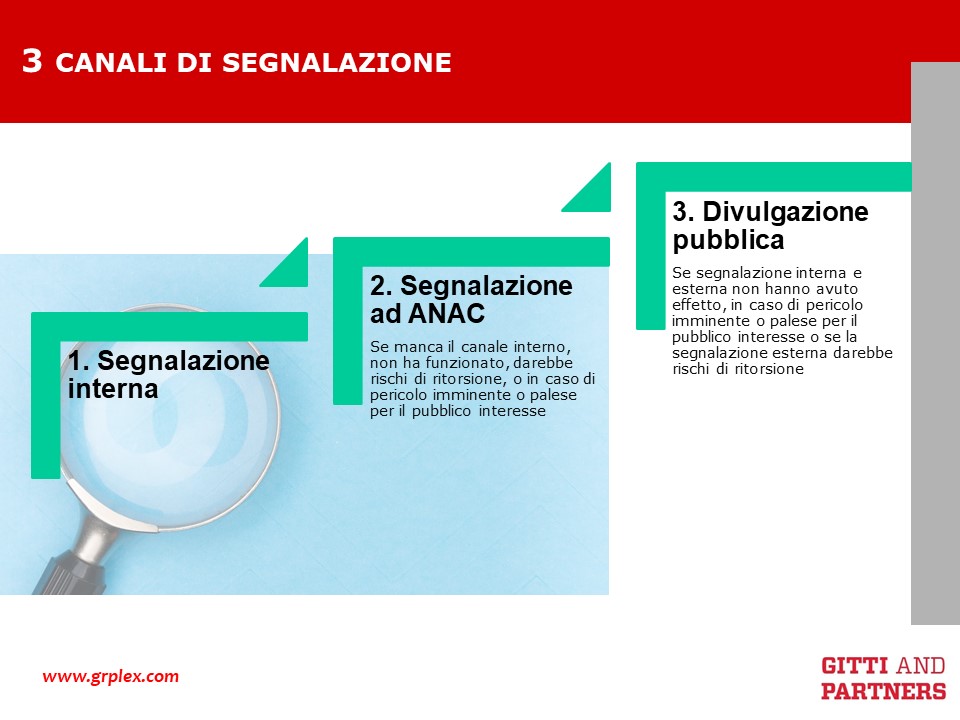
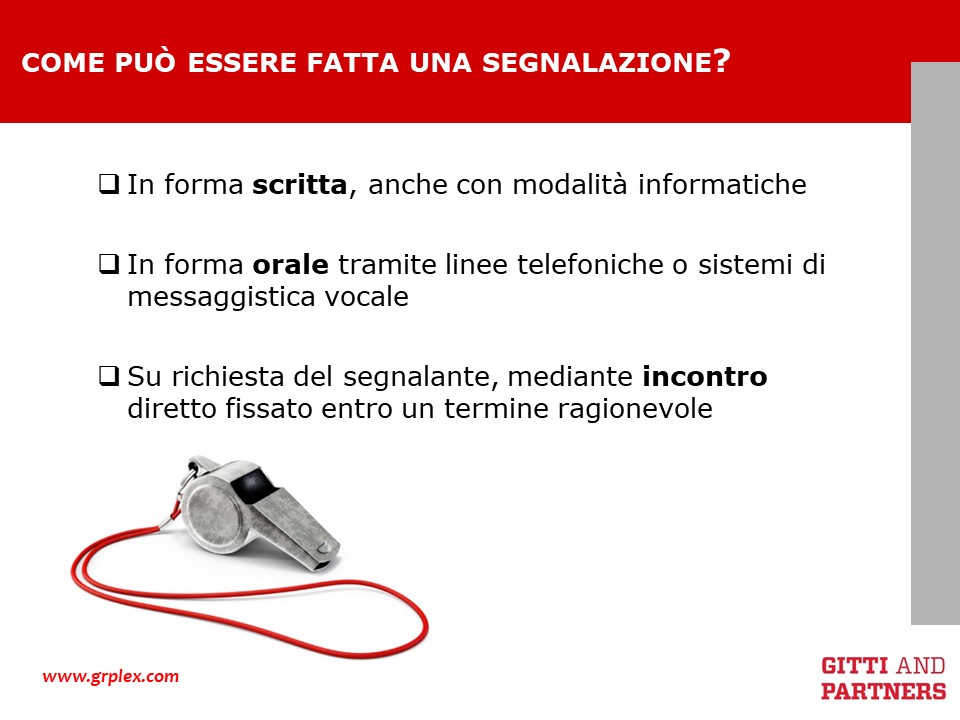
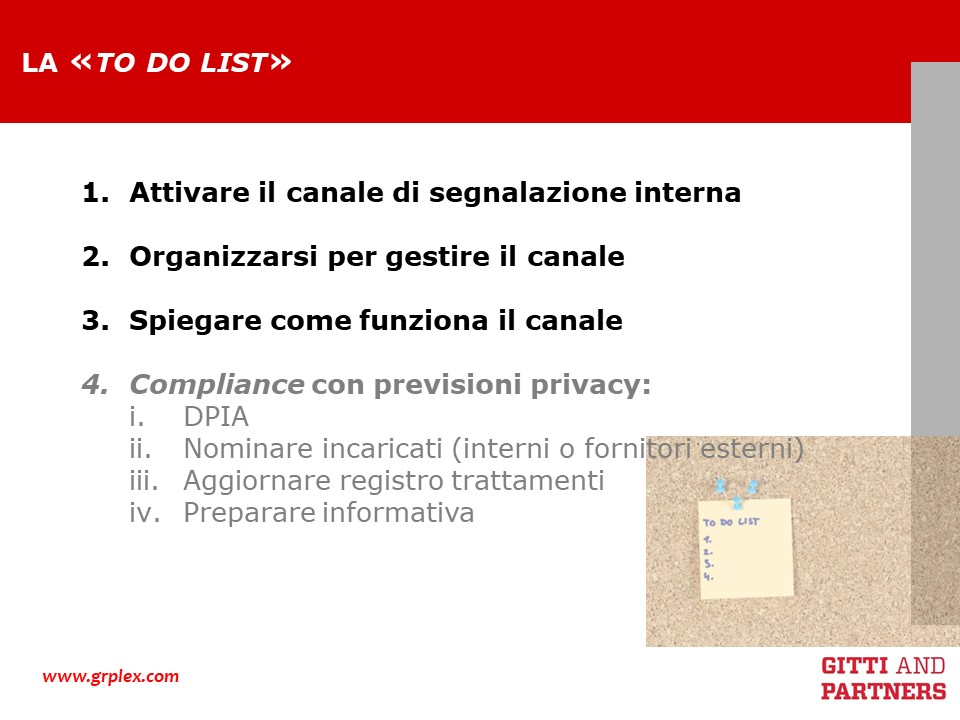
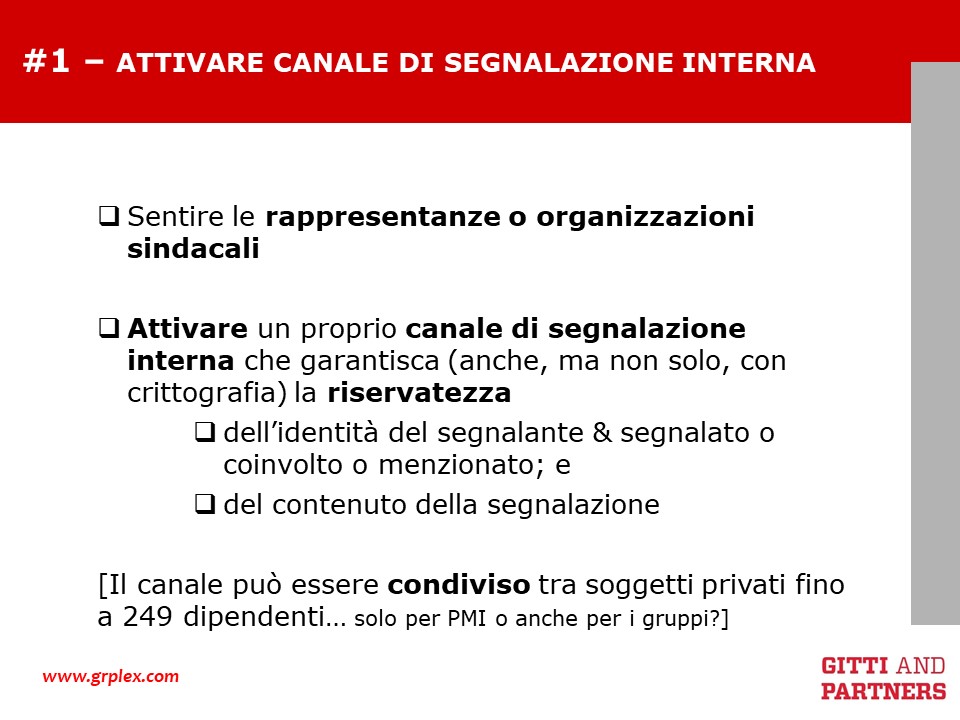
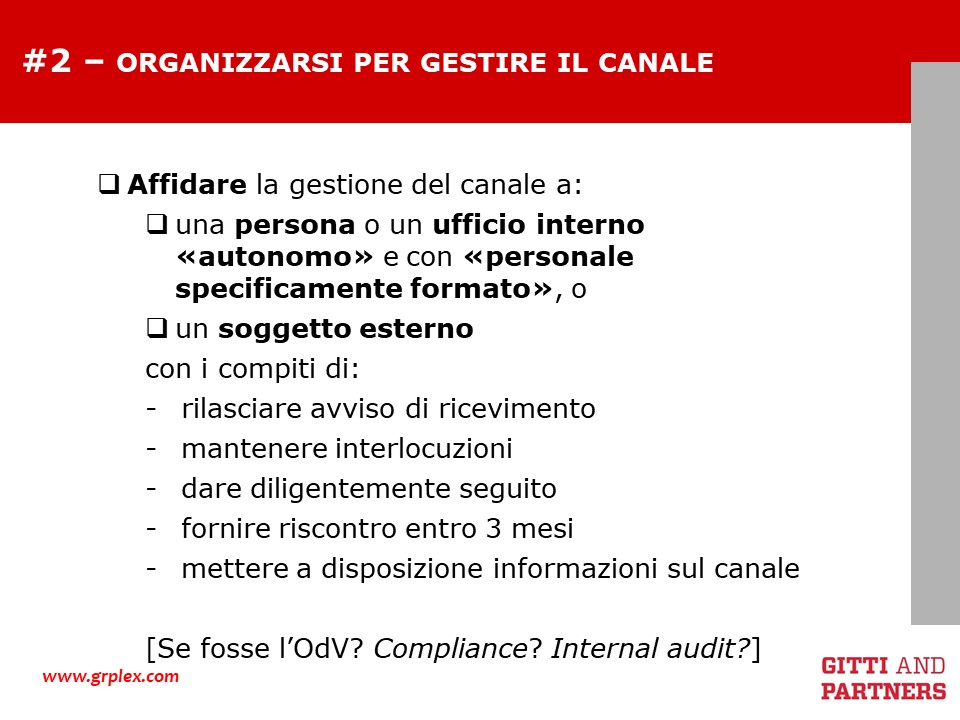
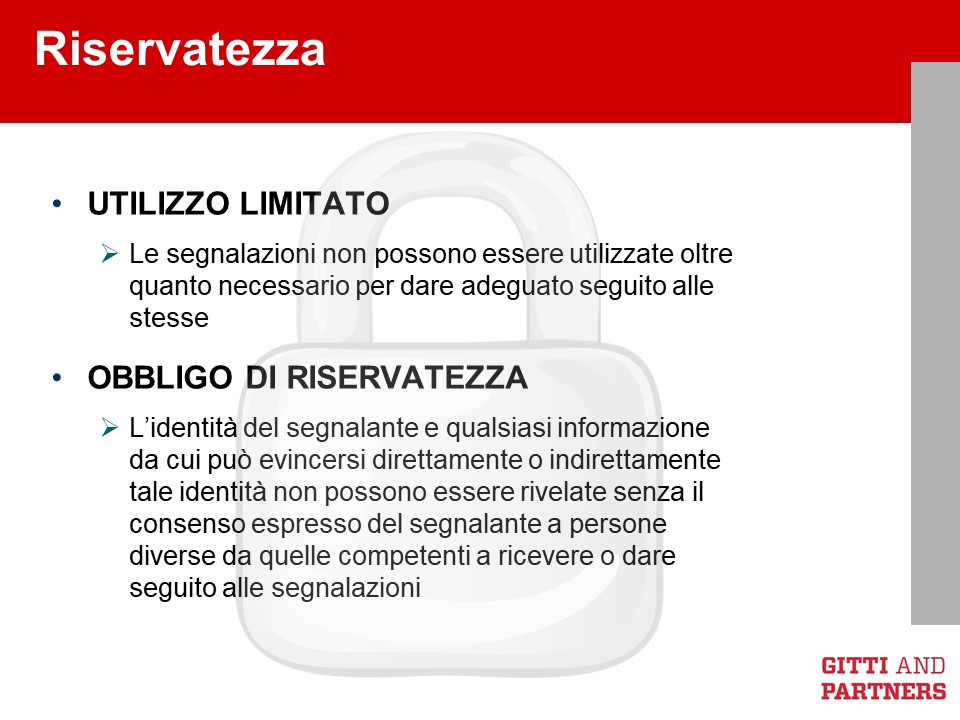
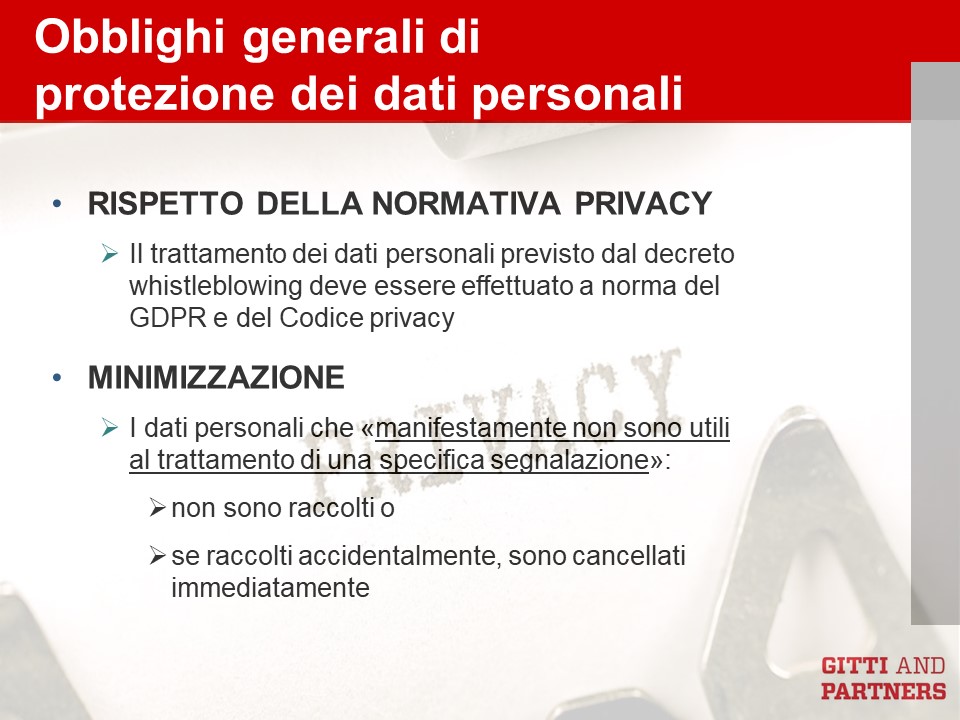
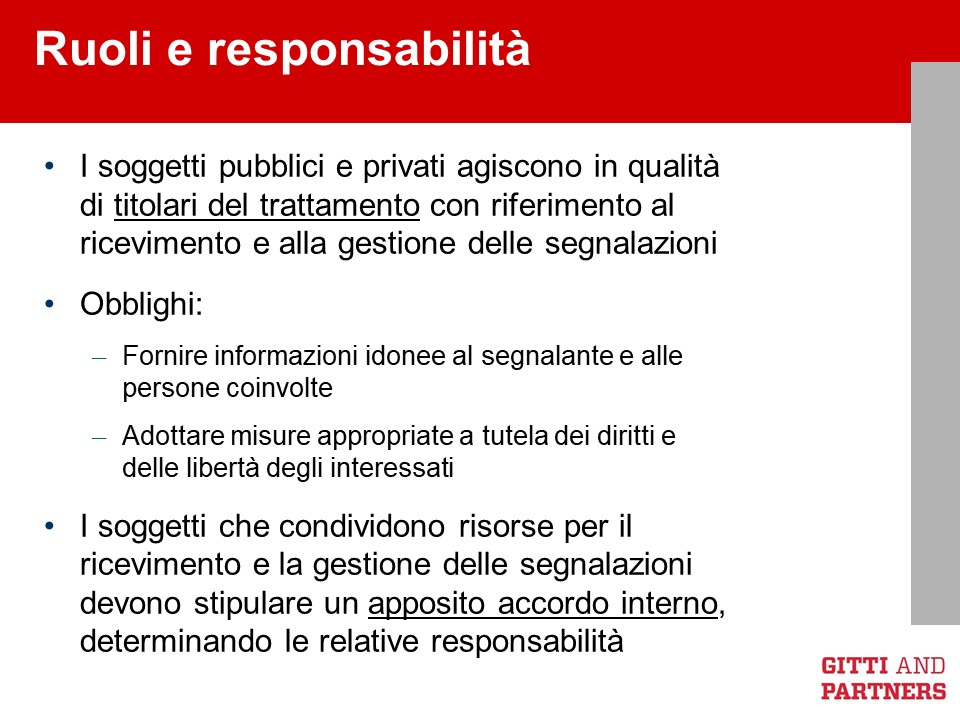
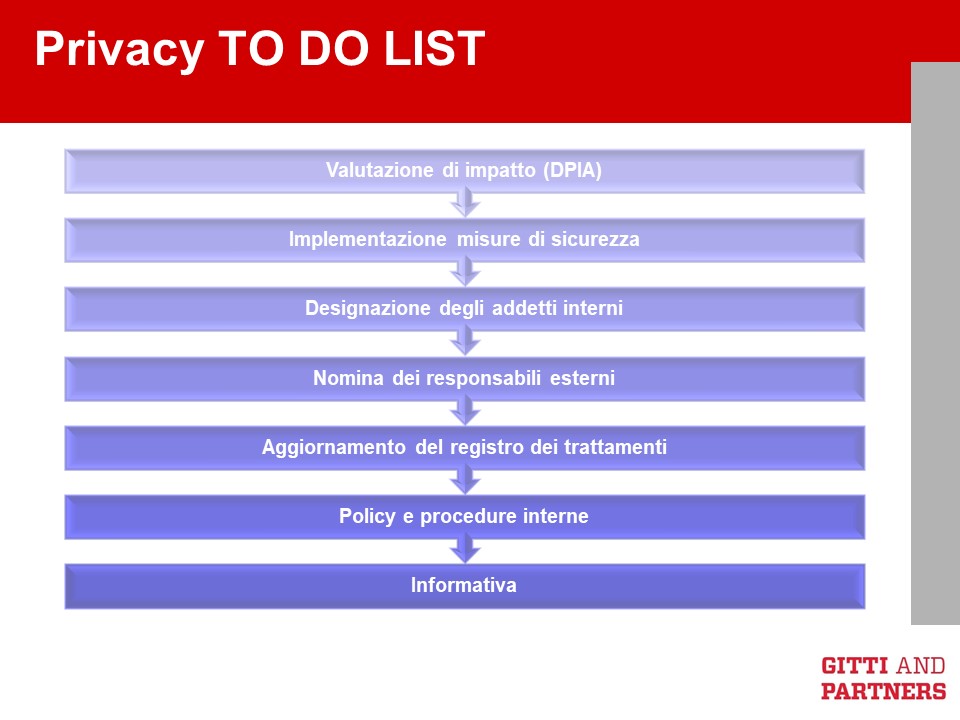
We enjoyed holding our whistleblowing webinar yesterday. If you missed it or want to keep the material, here are our introductory slides, as well as on data protection aspects.
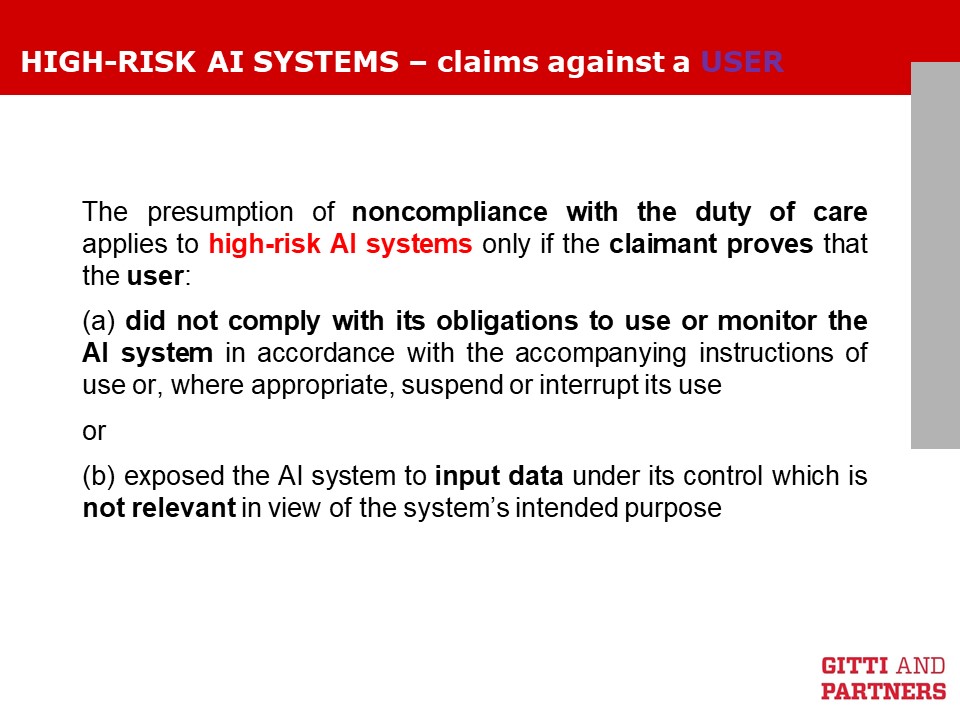
We have already illustrated the new proposed rules for a product liability directive on this blog. We now analyze the proposal for a AI Liability Directive, which offers interesting insights on how liability rules will be tweaked when Artificial Intelligence is concerned. In fact, as noted by the Commission’s explanatory memorandum to the AI Liability Directive, “the ‘black box’ effect can make it difficult for the victim to prove fault and causality and there may be uncertainty as to how the courts will interpret and apply existing national liability rules in cases involving AI“.
These slides may help understanding the AI Liability Directive. If you have questions or doubts, do not hesitate to reach out to us.
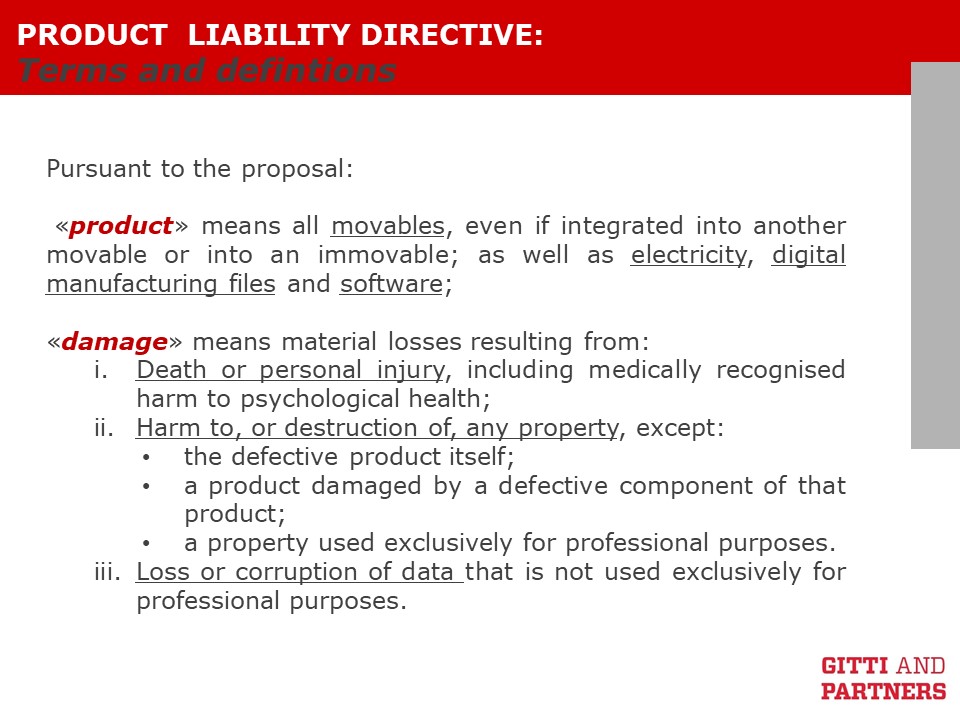
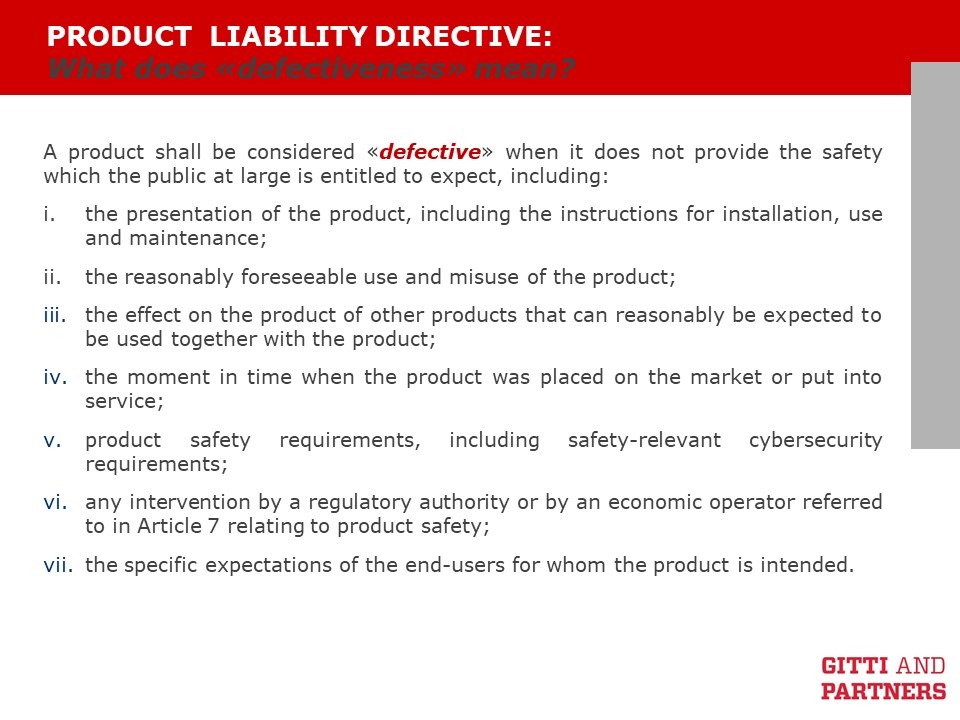
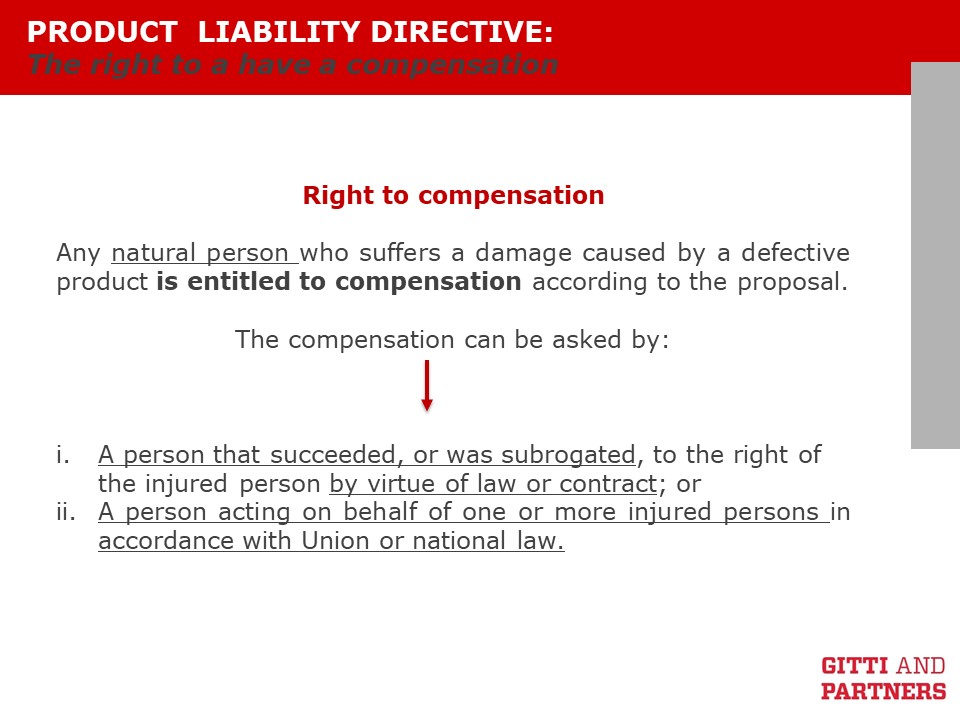
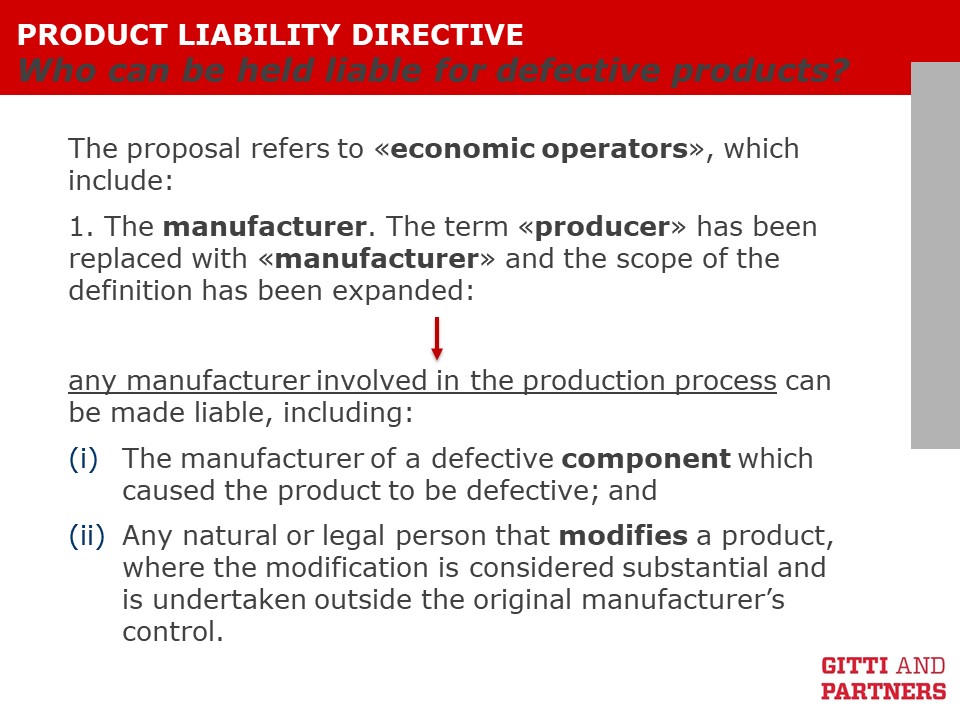
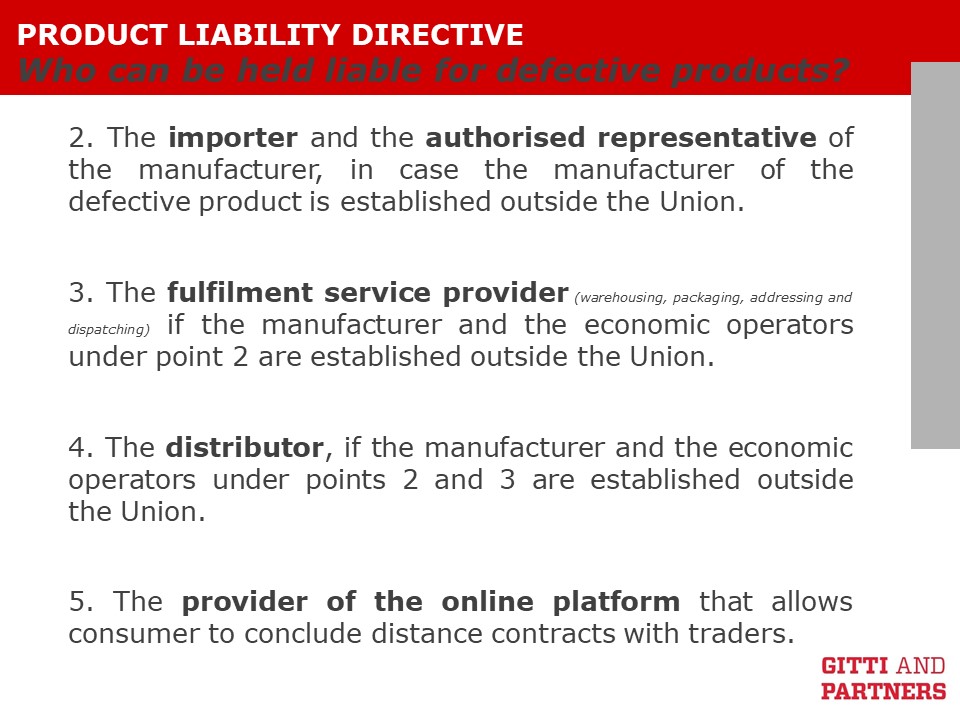
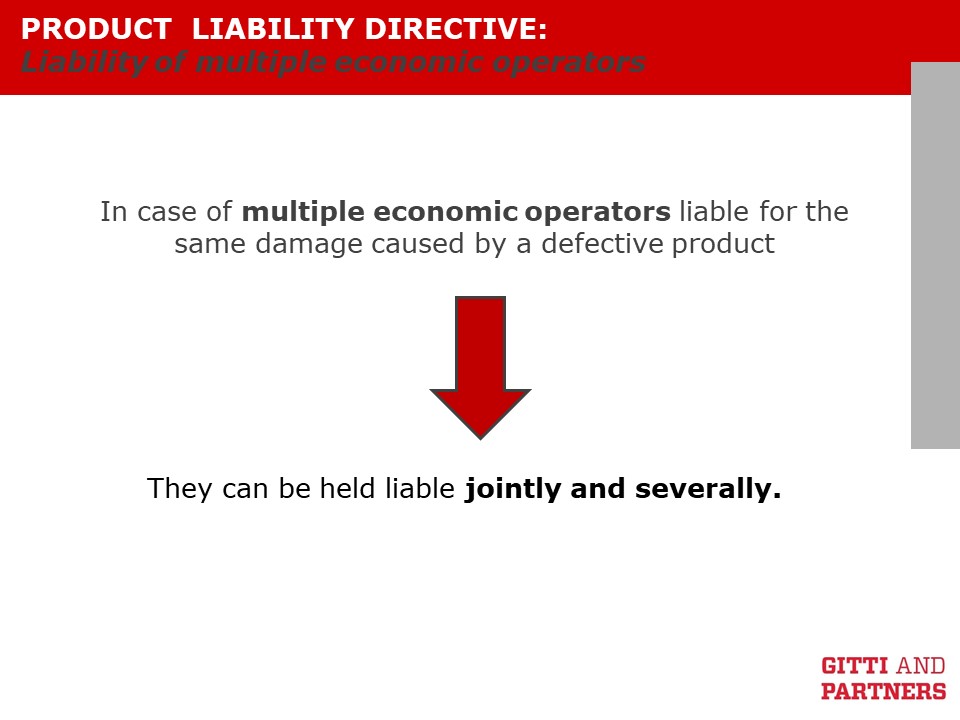
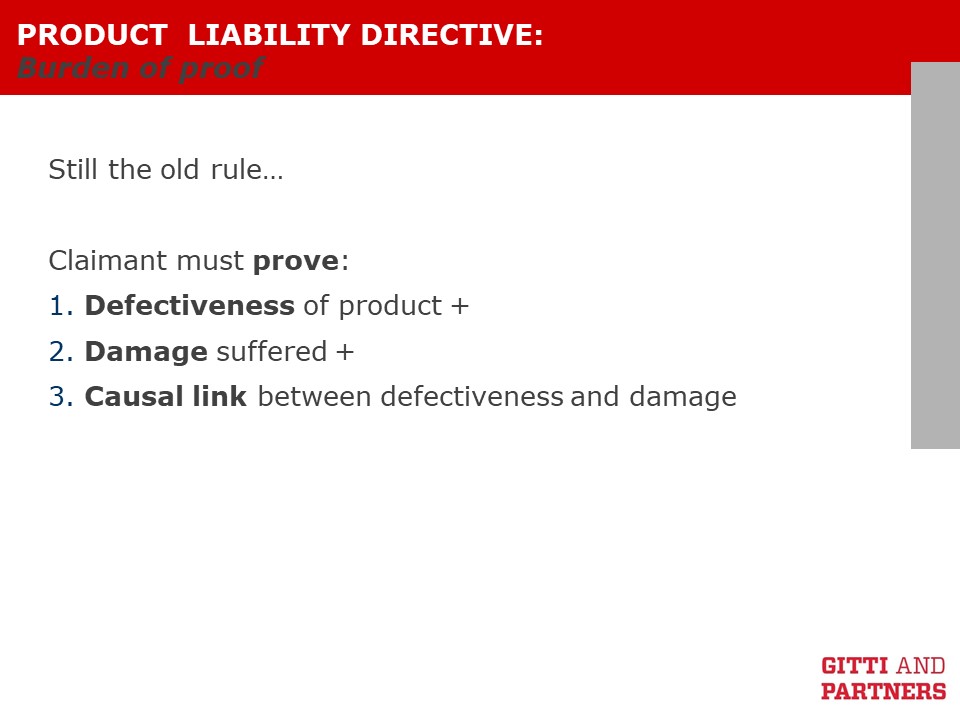
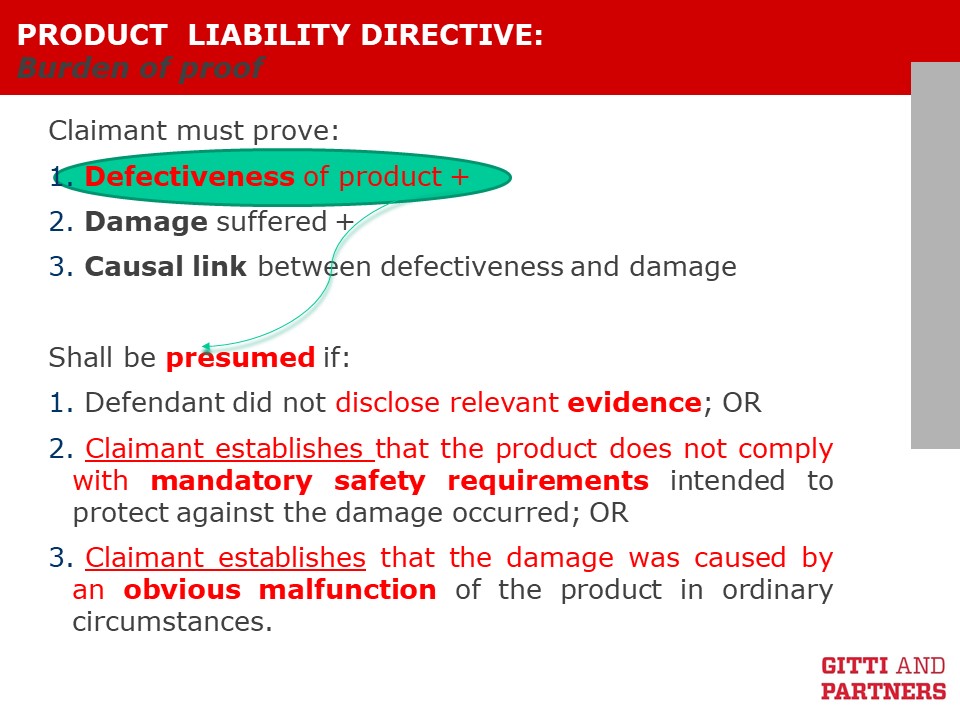
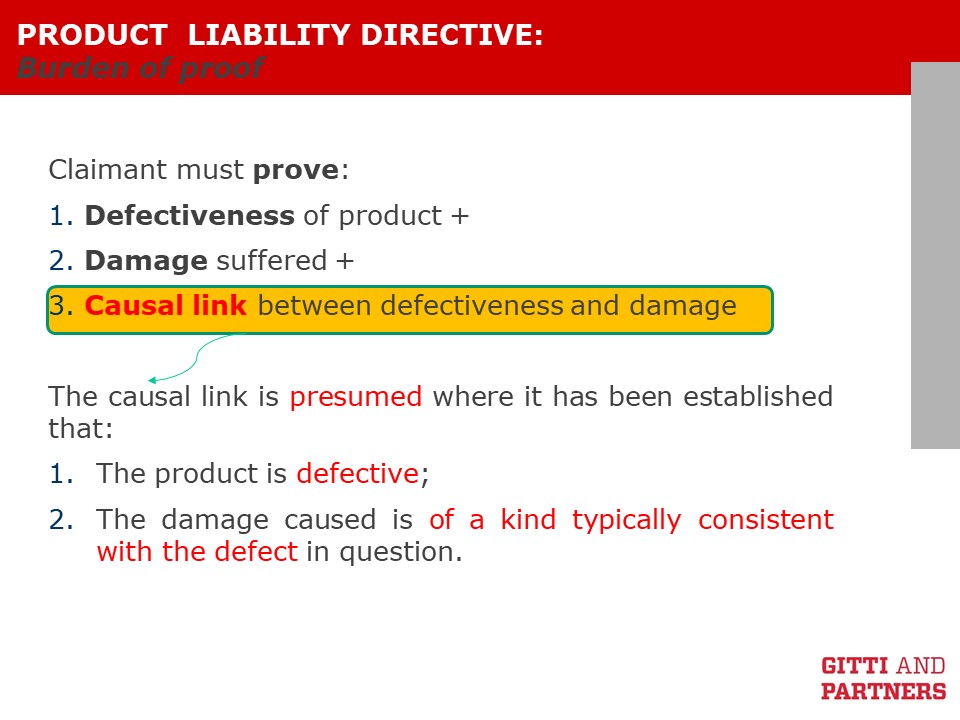
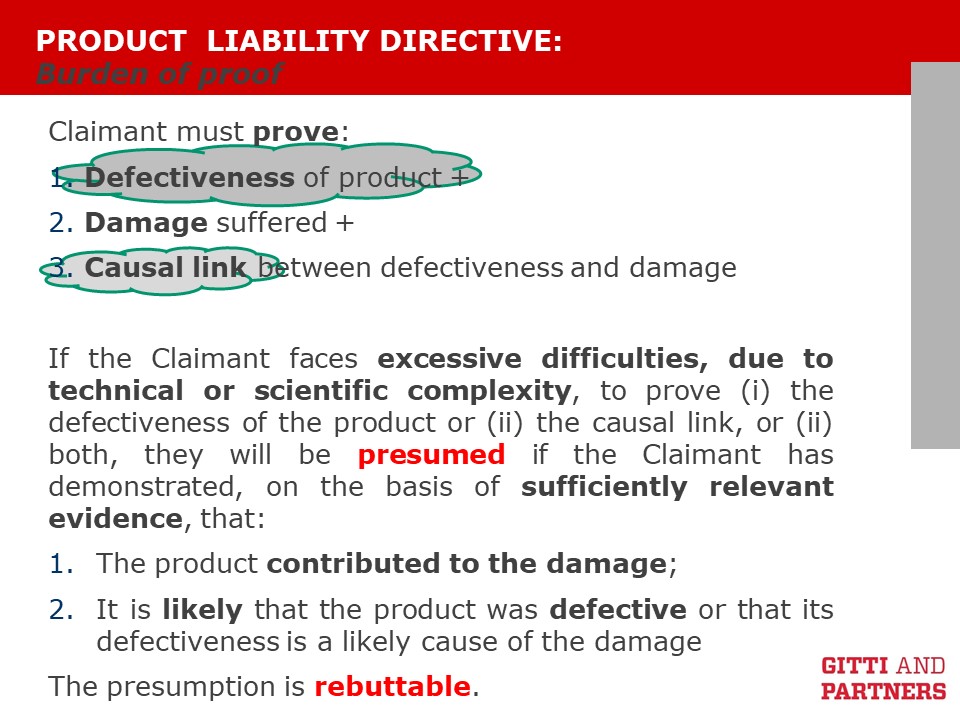
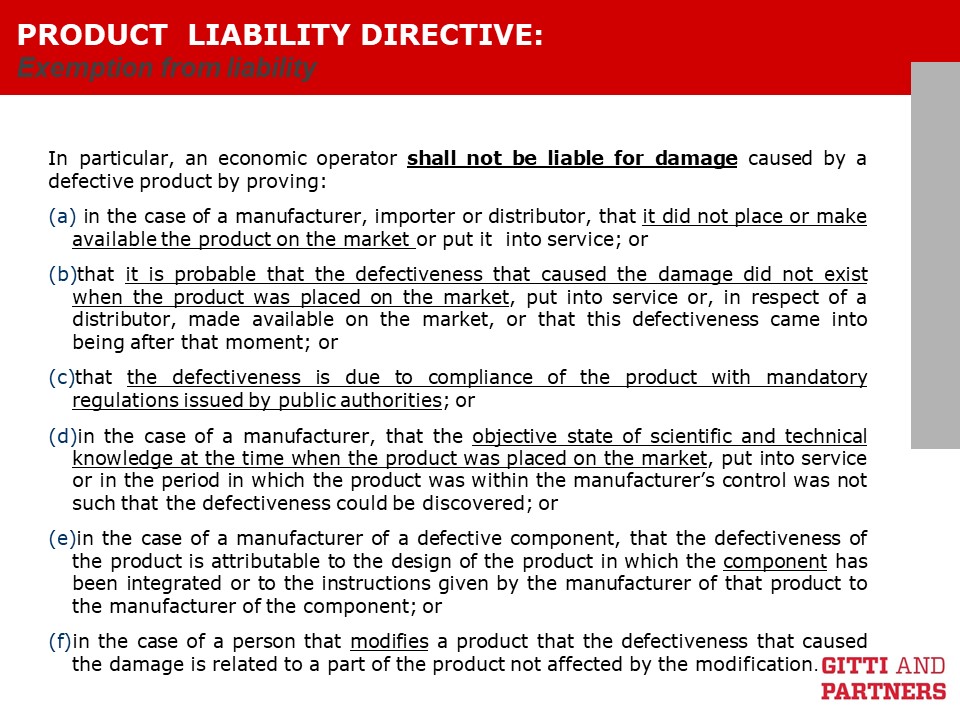
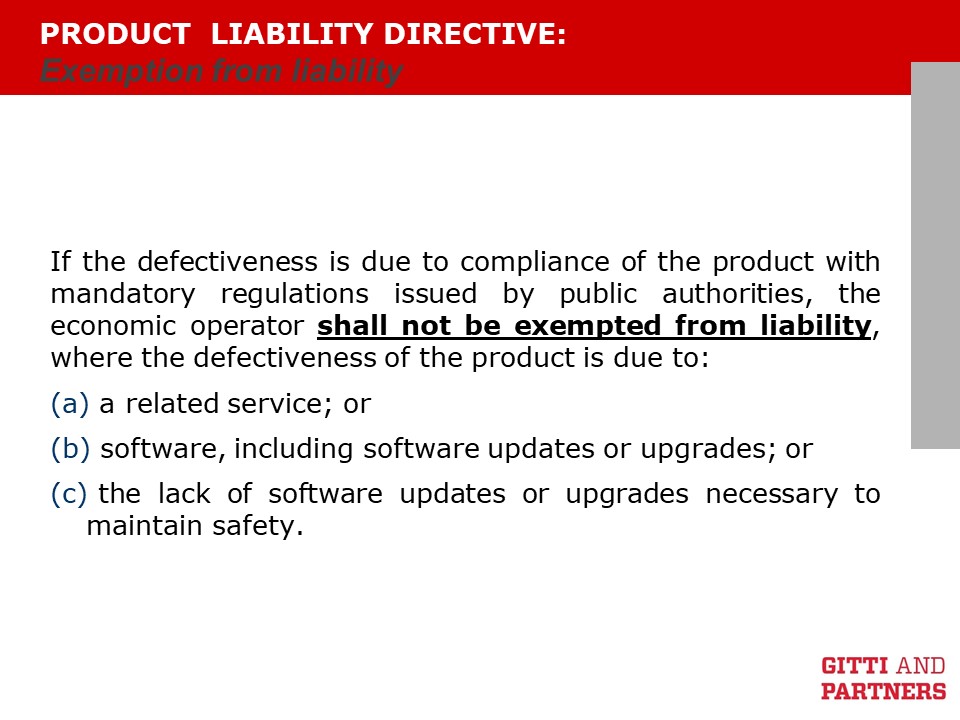
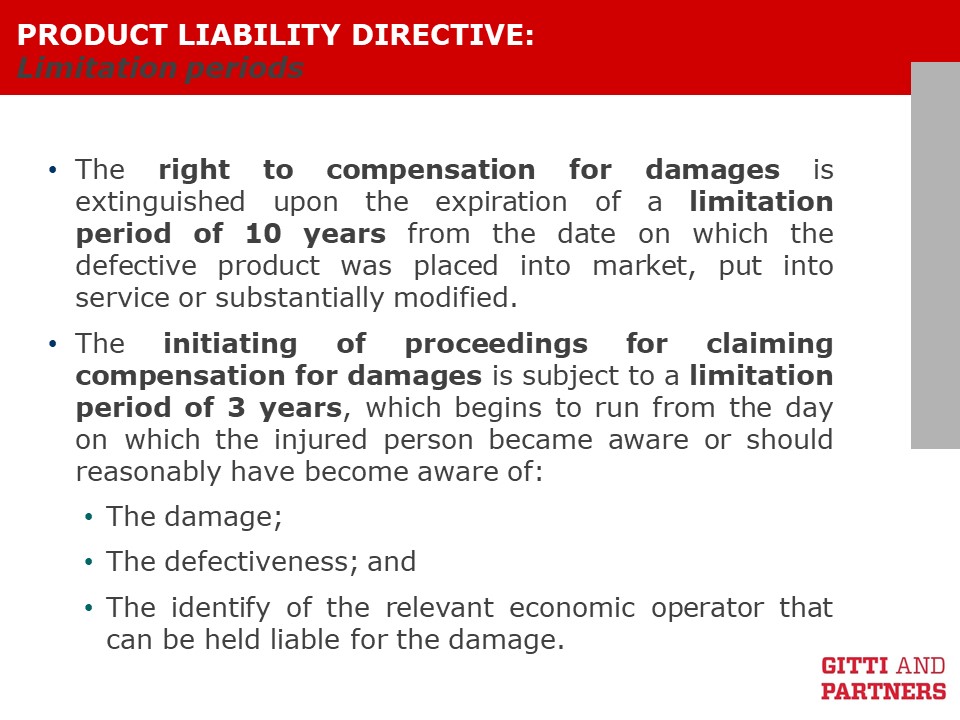
The Proposal for a new Product Liability Directive of September 2022 is likely to be a game changer for manufacturers of products. Rules on the burden of proof are going to favor consumers more than before.
If you want to familiarize with the new rules, you will appreciate the following slides. Any questions? You know where to find us. Happy holidays!
The Italian Supreme Court has recently published a judgment (no. 23401 of 2022, hereinafter the “Impregilo Case”) that sheds new light on certain elements of liability of Italian companies arising from legislative decree no. 231 of 2001.
Put it simply, legislative decree 231 has established quasi-criminal liability of companies when one of their employees commits a certain crime to its benefit or in its interest. The same law has established that the company is exempt from liability if (i) it has adopted an organizational and management model (“Model”) aimed at preventing such crimes, and (ii) it has appointed an independent compliance committee (“Committee”), which has diligently overseen the actual application of such Model. If a company has not adopted an adequate Model duly enforced by the Committee, then it is regarded as failing to diligently organize itself in order to prevent 231 crimes: having failed at its duty to prevent the crime, it is therefore at fault (so called “colpa in organizzazione”, or organizational fault) and liable. Additional information on 231 legislation can be found here.
In the Impregilo Case, which followed a tortuous path through courts of various instances, the Supreme Court has established very interesting principles:
This judgement ultimately grants exemption from 231 liability and recognizes that, since the Model was based on best practices, it was adequately preventing the crime, even if the crime was in fact committed due to the choice of the company’s managers to circumvent the Model.
If this trend in case law continues, companies will have a stronger incentive to adopt, enforce and update Models diligently reflecting best practices in crime prevention.
Last week Paola Sangiovanni and Flavio Monfrini participated, as speakers, to a webinar on the implementation of the MDR and IVDR.
The webinar was hosted by the firm Axon Lawyers based in Amsterdam and was especially interesting as members of the Alliance of European Life Sciences Law Firms in France, UK, Germany, Belgium, Greece, Spain, Belgium and The Netherlands contributed their expertise.
If you have missed it, worry not: you can find its registration here .
Medical devices’ companies who sell to the Public Administration face the prospect of imminent stellar payments due to Italian Regions.
Learn about the legislative journey that led to this, and what can be done about it, in our latest Client Alert published here:
https://www.linkedin.com/feed/update/urn:li:activity:6992883980693827584
Contact us if you need assistance in reacting against pay-back obligations or if you simply want to understand more about this issue and its impact on your business.
Save the date for Friday 18 November from 15:30 to 17:00 CET for a unique webinar about implementation of the EU MDR and IVDR in various European member states and recognition of CE marked devices on the UK market, hosted by the Alliance of European Law Firms in which medical devices legal specialists from Spain, Italy, the UK, Germany, Greece, Belgium and the Netherlands will address:
Do not miss out on this unique opportunity to have all your questions about medical devices and IVD regulation implementation in the UK and important EU member states addressed by our expert panel:
If you would like to attend, please send us an email to elisabetta.trecani@grplex.com and we will provide you with a link and technical information on joining the seminar well in advance.
Please feel free to share this save the date with colleagues or other people that may find the seminar interesting. If they send us an email, we can send them their own link and information for joining the webinar.
Earlier this month the Italian Ministry of Health has issued guidelines that will allow patients to have a stronger voice at many levels of healthcare decisions.
Patients associations will be involved in consulting, setting the agenda of the Ministry, co-planning, supporting implementation, generating evidence, as well as providing patients’ experience in the monitoring, evaluation and re-examination of measures.
Patients associations have welcomed the possibility to have a more formal and active role in the decisional processes that have an impact on healthcare: this may be a first step towards an a-political public participation in healthcare decisions.
Interested in the recording of our event of yesterday on data of non-profit studies?
You may find it here:
We really enjoyed discussing the new Ministry of Health decree on non profit clinical trial data with our stellar panel of speakers yesterday. A great opportunity to reflect on legal norms from various points of view!
Legislative Decree n. 137 of August 5, 2022 adapting Italian legislation to the MDR has been published on September 13; the decree will be in force starting from September 28, 2022. Legislative decree n. 138/2022 issues similar provisions in relation to the IVDR.
The main provisions of Legislative Decree n. 137 on medical devices are summarized here:
While the decree helps aligning Italian law with the MDR, many more rules will need to be issued are delegated to the Ministry of Health and thus grey areas continue to exist.
You must be logged in to post a comment.