On November 19, 2025, the European Commission unveiled a landmark proposal: the Digital Omnibus Regulation. This initiative is not just another legislative tweak – it signals a philosophical shift in how Europe approaches digital regulation. In a world increasingly defined by volatility, complexity, and rapid technological change, the Commission seems to be saying: “We’ve heard you – let’s regulate, but let’s make it easier to comply.”
Why Now? The Context Behind the ‘Digital Omnibus’
The proposal comes against a backdrop of mounting pressure on Europe’s competitiveness. In his now-famous “Please, do something” speech to the European Parliament, Mario Draghi urged EU institutions to act decisively to restore Europe’s ability to innovate and compete globally. Could the Digital Omnibus be seen as a response to this heartfelt appeal?
For years, the EU has been a global pioneer in digital regulation – think GDPR, AI Act, Data Act, Digital Services Act (DSA), Digital Markets Act (DMA), NIS2, and more. But this success has come at a cost: fragmentation, complexity, and heavy compliance burdens. Businesses have struggled to navigate overlapping obligations. The Digital Omnibus is designed to change that. In the “explanatory memorandum” to the Digital Omnibus, the Commission emblematically acknowledges, for instance, that “some entities, especially smaller companies and associations with a low number of non-intensive, often low-risk data processing operations, expressed concerns regarding the application of some obligations of the GDPR”.
The ‘Digital Omnibus’ Proposal
The proposal introduces technical amendments and structural simplifications across a wide range of legislation, including:
- General Data Protection Regulation (GDPR)
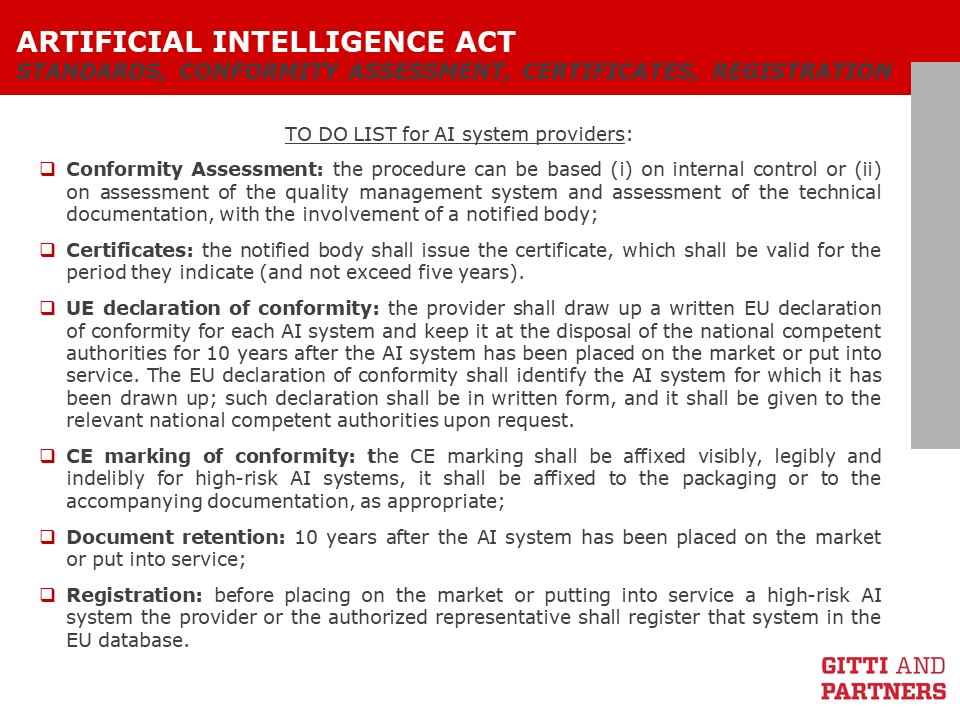
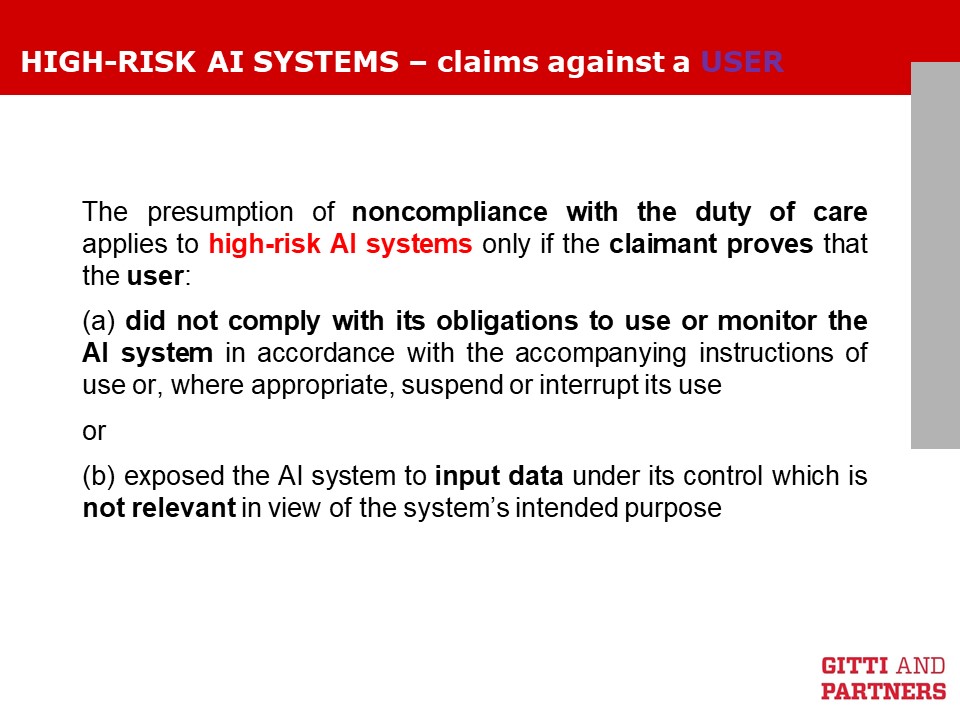
- AI Act
- Data Act
- ePrivacy Directive
- NIS2 Directive
- Data Governance Act
- Free Flow of Non-Personal Data Regulation
- Platform-to-Business (P2B) Regulation (to be repealed
Key Highlights
- GDPR Simplification:
- Clarifies the definition of personal data
- Supports controllers with respect to the criteria and means to determine whether data resulting from pseudonymization does not constitute personal data
- Introduces flexibility for AI development: processing personal data for AI training under “legitimate interest,” with safeguards.
- Modernizes cookie consent rules – centralized browser settings to end “cookie fatigue.”
- AI Act Adjustments:
- Expands regulatory sandboxes and simplifies compliance for SMEs and mid-cap companies.
- Clarifies the interplay between the AI Act and other EU legislation
- Introduces an obligation on the Commission and Member States to foster AI literacy
- Incident Reporting:
- Creates a single-entry point for incident notifications under GDPR, NIS2, DORA, and CER – ending duplicative reporting.
A New Philosophy?
There are strong indications that the “Digital Omnibus” is more than a mere technical adjustment and may represents a strategic shift in EU “digital law”. The proposals will now proceed to the European Parliament and the Council for deliberation. It remains to be seen whether words will be turned into action.







 Law, Health & Technology
You must be logged in to post a comment.